Hyperbaric Oxygen Therapy Has Been Used to Aid in ALS Treatment
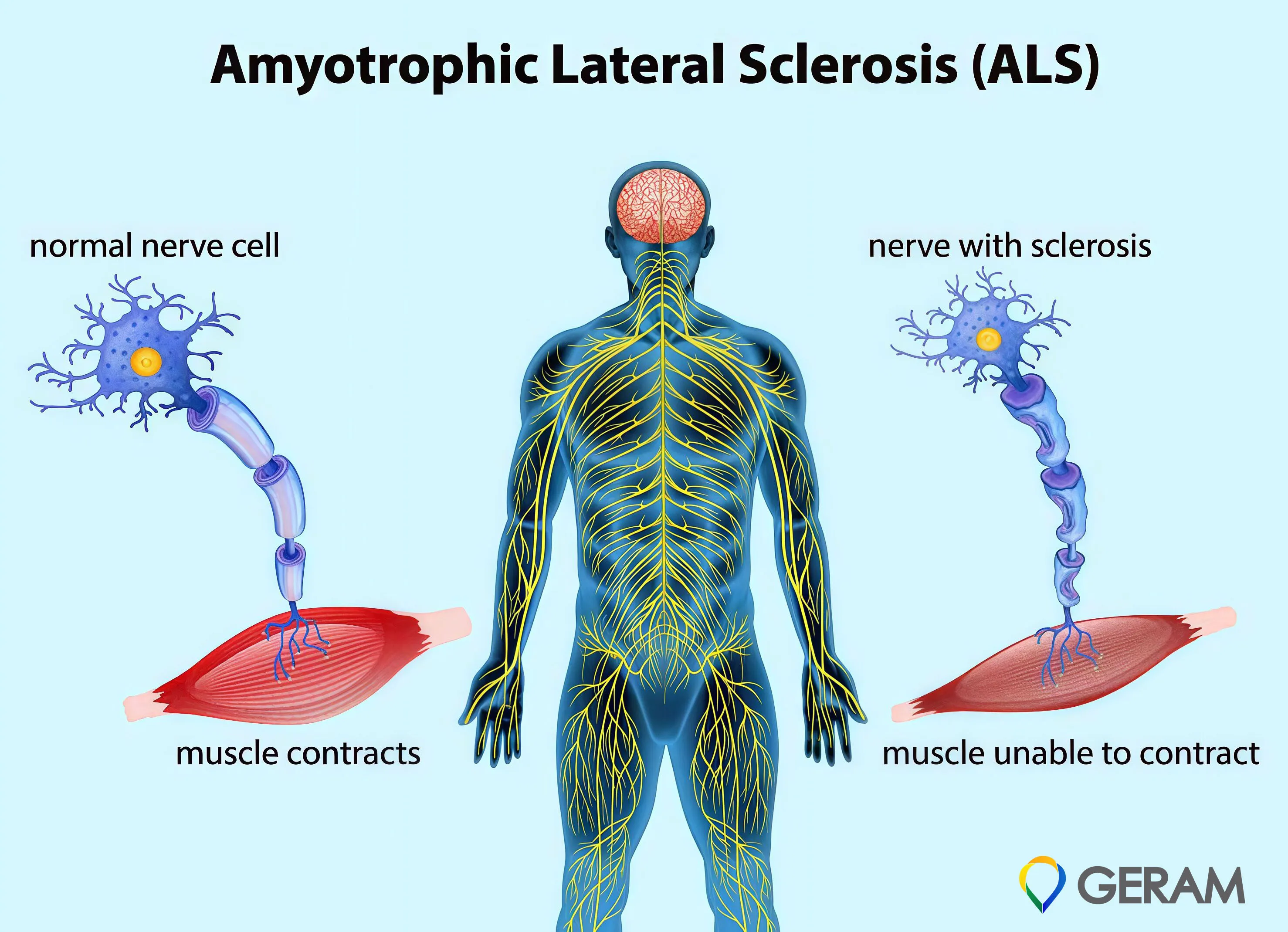
Amyotrophic Lateral Sclerosis (ALS), also known as Lou Gehrig's disease, is a neurodegenerative disorder that affects the nerve cells in the brain and spinal cord, leading to muscle weakness and eventual paralysis. While there is no cure for ALS, emerging research suggests that Hyperbaric Oxygen Therapy (HBOT) may offer supportive benefits in managing symptoms and slowing disease progression.
How HBOT Helps:
HBOT delivers oxygen at high pressure, allowing it to penetrate deeper into tissues, including the brain and nervous system. For ALS patients, this increased oxygenation can help reduce inflammation, improve cellular repair, and support mitochondrial function, which is often impaired in neurodegenerative conditions like ALS.
Key Benefits of HBOT for ALS:
- Reduced neuroinflammation: HBOT can decrease inflammation in the brain and spinal cord, potentially slowing the damage to motor neurons that leads to ALS symptoms.
- Improved tissue repair: Enhanced oxygen levels promote cellular healing and may protect nerve cells from further degeneration.
- Increased energy production: HBOT supports mitochondrial function, helping cells produce energy more efficiently, which may improve muscle function and reduce fatigue.
Research Evidence:
- A study published in the Journal of Applied Physiology found that HBOT helped reduce oxidative stress in motor neurons, a key factor in ALS progression. The study suggested that patients receiving HBOT experienced improvements in muscle strength and motor function.
- Another case series reported in Medical Gas Research highlighted the potential of HBOT to slow the progression of ALS in patients by reducing inflammation and promoting neuroprotection.
Conclusion:
While HBOT is not a cure for ALS, it shows potential as a complementary therapy to help manage symptoms and slow disease progression. For patients and families coping with ALS, HBOT may offer a new avenue of hope for improving quality of life.
References:
- Journal of Applied Physiology: Research on oxidative stress reduction and HBOT’s effects on motor neurons in ALS.
- Medical Gas Research: Case studies on the impact of HBOT on ALS progression and symptom management.


